Professional HVAC Services for Optimal Home Climate Control
High-quality HVAC offerings are vital to maintaining excellent home climate control. Homeowners regularly face issues like strange noises, fluctuating temperatures, and rising energy costs. Routine maintenance can substantially enhance system efficiency and indoor air quality. Engaging an experienced HVAC technician is critical for long-term benefits. Being aware of the signs that suggest repair is necessary can additionally enhance comfort in the home. What specific signals should homeowners be aware of?
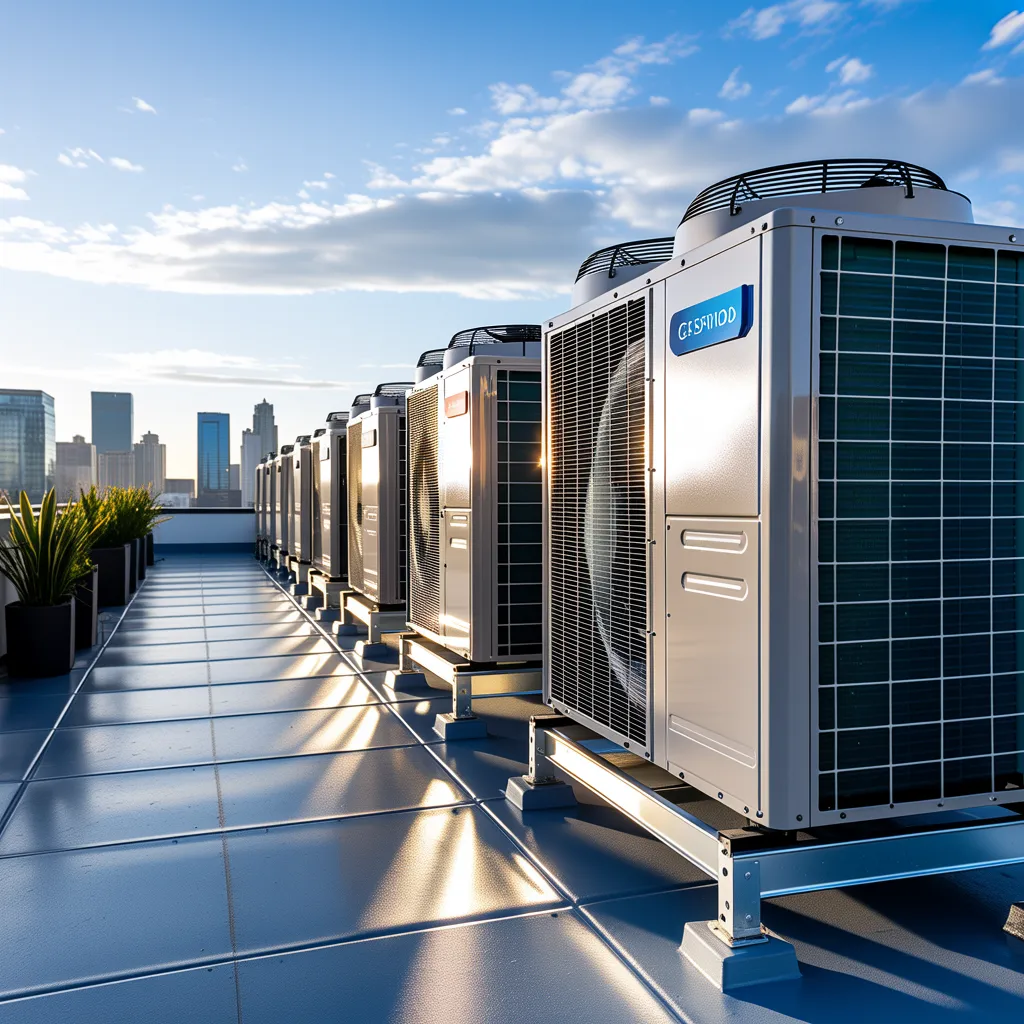
Symptoms Your HVAC System Needs Fixing?
How can homeowners determine when their HVAC system requires repair? Several indicators can assist in recognizing potential problems. Strange sounds, such as scraping or squealing, often indicate mechanical problems. Additionally, varying temperatures across different rooms may suggest ductwork issues or a faulty thermostat. Homeowners should also be alert to an rise in energy bills, which can indicate that the system is working harder than needed to sustain comfort.
A critical sign is the appearance of strange odors, which might suggest power complications or fungal formation within the system. Frequent switching on and off, referred to as short-cycling, can lead to amplified wear and tear. Finally, if the system is blowing insufficient air or no air at all, it may require swift intervention. Recognizing these signs early can avert substantial damage and high-cost repairs.
Advantages Regular HVAC Maintenance Is Key
Regular HVAC maintenance is vital for ensuring optimal operation and prolonging the longevity of the system. Routine inspections and maintenance help detect possible problems before they develop into costly fixes. During servicing, technicians typically maintain components, check refrigerant levels, and confirm that all parts operate efficiently. This proactive approach not just enhances system reliability but also boosts energy efficiency, resulting in lower utility bills.
Furthermore, regular maintenance can noticeably improve indoor air quality by making sure filters are clean and ventilation systems are obstruction-free. Avoiding maintenance can produce poor performance and accelerated component deterioration on components, in the end shortening the system's lifespan. In addition, numerous manufacturers mandate regular upkeep to copyright warranty coverage. By maintaining a consistent HVAC maintenance schedule, homeowners can enjoy a comfortable living environment while reducing costly unexpected repairs and expenses. Ultimately, regular maintenance is an important investment in home climate control.
Important Considerations When Finding An HVAC Company
Choosing the right HVAC service provider is essential to preserving an optimal home climate control system. Several key factors should be considered to guarantee peak service. First, the provider's licensing and insurance status is essential; this protects homeowners from potential liabilities. Second, assessing knowledge and skill is imperative; seasoned technicians are more likely to diagnose and resolve issues effectively.
Additionally, customer reviews and testimonials can provide insight into the service provider's dependability and service excellence. Pricing transparency is another crucial aspect; a trustworthy company should offer clear estimates without undisclosed charges. Finally, responsiveness and customer support play a significant role in ongoing maintenance and emergency services. By methodically reviewing these factors, homeowners can identify a trustworthy HVAC service provider, ultimately contributing to a comfortable and efficient living environment.
HVAC Equipment Categories You Ought to Know About
Comprehending the different types of HVAC systems is essential for efficient home climate control. Central air conditioning systems, ductless mini-split systems, and heat pump systems each provide unique advantages and applications. Familiarity with these options enables homeowners to make informed decisions customized to their specific needs.
Central Air Conditioning Systems
While many homeowners seek efficient climate control solutions, central air conditioning systems excel as a preferred choice due to their energy efficiency and ability to cool expansive areas uniformly. These systems operate by circulating chilled air through a network of ducts, delivering steady climate control across multiple rooms. Central air conditioning units typically consist of an outdoor compressor and an indoor evaporator coil, which collaborate to remove heat from the air. This method not only enhances comfort but also contributes to improved indoor air quality by filtering dust and allergens. Additionally, central systems can be paired with smart thermostats, allowing homeowners to control energy usage more efficiently, thereby reducing utility costs while maintaining a comfortable living environment.
Ductless Split Units
Ductless mini-split systems offer a flexible and effective option for homeowners desiring customized climate control. These systems are made up of an outdoor compressor unit and one or more indoor air-handling units, enabling accurate temperature management in individual rooms. This flexibility allows homeowners to customize heating and cooling according to their specific needs, improving comfort while potentially reducing energy costs. In addition, ductless systems are simpler to set up than traditional systems, as they need minimal ductwork, making them ideal for retrofitting older homes. Their compact design also allows for installation in spaces where conventional systems may not fit. As a result, ductless mini-split systems are increasingly popular for those looking to improve home climate control efficiently.
Heat Pump Equipment
Heat pump systems provide another state-of-the-art option in contemporary heating and cooling technology, providing both heating and cooling solutions through a single unit. These systems function by transferring heat rather than generating it, making them economical with energy and green. There are two main types: air-source and ground-source (or geothermal) heat pumps. Air-source units capture heat from the outside air, while ground-source systems draw heat from the ground. Both types can considerably reduce energy bills and cut carbon footprints. Heat pumps are particularly successful in moderate climates, where they can maintain comfortable indoor temperatures year-round. However, their efficiency can wane in extreme temperatures, necessitating supplemental heating. Overall, heat pump systems are a practical choice for homeowners seeking sustainable climate control solutions.
How HVAC services Can Cut You Cash On Utility Costs
Reliable HVAC solutions are essential to controlling energy bills for homeowners. Regular servicing, smart thermostat installations, and energy-efficient upgrades can markedly boost system performance. By optimizing these elements, homeowners can secure substantial savings on their energy bills.
Optimized System Maintenance
Maintaining an HVAC system is vital for enhancing energy performance and cutting monthly utility costs. Periodic tune-ups and inspections ensure that the system performs at peak performance, reducing energy consumption. Routine maintenance tasks, such as filter replacement or cleaning, can substantially improve airflow and lower strain on the system, leading to decreased energy bills. Additionally, handling minor issues before they develop into costly maintenance can save homeowners considerable amounts in the long run. HVAC professionals can recognize performance problems and propose adjustments, confirming that the system runs smoothly throughout the year. By emphasizing regular system maintenance, homeowners can achieve a comfortable indoor climate while also enjoying major savings on their energy expenses.
Deploying Your Smart Thermostat
An smart thermostat will greatly enhance energy savings for homeowners while providing increased control over indoor climate. By self-regulating climate control settings based on usage patterns and personal choices, these devices maximize energy consumption. HVAC services play a vital role in the setup phase, ensuring that the thermostat is compatible with existing systems and set up for maximum efficiency. Professional technicians can also inform homeowners on capabilities like off-site control and energy usage reports, enabling knowledgeable choices about temperature management. Additionally, many smart thermostats integrate with home automation systems, additionally enhancing power oversight. Ultimately, putting money into smart thermostat installation through reliable HVAC services will result in significant reductions in utility costs while enhancing overall comfort in the home.
Energy-Efficient Improvements
Energy-efficient upgrades are essential to reducing costs on energy bills while enhancing home comfort. HVAC services can assist homeowners in identifying and installing these upgrades, which include efficient heating systems, high-efficiency cooling units, and improved insulation. By replacing outdated systems with modern, efficient models, households can decrease energy consumption considerably. Additionally, regular maintenance guarantees peak performance, avoiding costly repairs and inefficient operation. Insulating ductwork and sealing leaks further boost energy efficiency, allowing for improved temperature regulation throughout the home. Making these upgrades not only lowers monthly utility costs but also contributes to a more sustainable environment. Overall, energy-efficient improvements are a smart investment for homeowners looking to maximize both comfort and savings.
HVAC Services Optimize Indoor Air Quality
Enhancing indoor air quality is a main advantage of professional HVAC services. Routine upkeep and service of HVAC systems ensure that filters are clean and functioning effectively, which helps catch dust, allergens, and other pollutants. Periodic inspections can identify issues such as mold growth or duct leaks, both of which can significantly lower air quality.
Furthermore, HVAC experts can recommend and install air cleaning units, which additionally improve the home environment by trapping microscopic particles. They can also evaluate humidity levels, as high humidity can result in mold and mildew, damaging air quality.
What To Get Ready For During Your HVAC Service Call
Keeping ideal air quality indoors frequently causes homeowners to schedule HVAC service analysis calls. During these appointments, technicians usually begin with a thorough inspection of the system, assessing components such as filters, ducts, and thermostats. They may ask questions about any specific concerns or strange sounds, allowing them to customize their service.
Next, professionals often maintain or swap out filters to improve performance and indoor air. They may also examine refrigerant amounts and look for any leakage, ensuring optimal operation. Additionally, they will evaluate how the system operates, verifying that temperature control features operate smoothly.
Homeowners can get a thorough report outlining conclusions and recommendations. This may include recommendations for future upkeep or possible improvements. By comprehending these steps, homeowners can gain better appreciation for the value of routine HVAC service calls in creating a healthy and comfortable living space.
Often Requested Inquiries
What is the Typical Duration for HVAC Implementation?
HVAC implementation generally takes between one to three days, based on the system's complication and the size of the home. Factors such as current setup and obligatory changes can also determine the duration.
What Coverage Options Can You Secure for HVAC Systems?
HVAC systems commonly include different warranties, comprising limited parts warranties, extended labor warranties, and comprehensive coverage warranties, which may fluctuate by manufacturer and installation service. Customers should evaluate options meticulously to confirm adequate coverage.
Should I set up an HVAC System on my own?
Installing an HVAC system independently is possible but regularly difficult. Proper training, supplies, and municipal regulations must be accounted for. Professional installation is typically recommended to guarantee safety, efficiency, and adherence to standards.
What Is the Average Lifespan of an HVAC Unit?
The average lifespan of an HVAC unit customarily extends from 15 to 25 years. Factors like maintenance, usage, and environmental conditions can greatly influence its longevity, affecting general effectiveness and efficiency.
How Often Per Period Should I Replace My HVAC Filters?
HVAC filters should typically need replacing every one to three months, influenced by usage and environmental factors. Routine replacement guarantees peak system efficiency and boosts indoor air quality, contributing to a healthier living environment.